Small rooms don't look small because of the square footage. They look small because of the furniture choices. A room that's 11×13 feet can feel cramped with the wrong couch — or feel intentional and open with the right one. The difference is almost always the furniture, not the walls.
These seven tips are practical, not theoretical. They work in apartments, starter homes, and any living room where the sofa is fighting for space with everything else.
- For rooms under 12×14 ft, look for a sofa under 84" wide — oversized sectionals are the #1 reason small rooms feel suffocated
- Furniture with exposed legs creates visual airflow and makes a room feel larger — even 5–6 inches of clearance makes a difference
- Lighter sofa colors (cream, warm grey, soft taupe) reflect light instead of absorbing it — the single fastest visual upgrade in a small space
- Keep the center of the room open; push furniture toward walls (leave 2–3" gap) so nothing cuts across the middle
- A rug that's too small is worse than no rug — front legs of every piece should sit on it at minimum
Size the Sofa to the Room, Not the Other Way Around
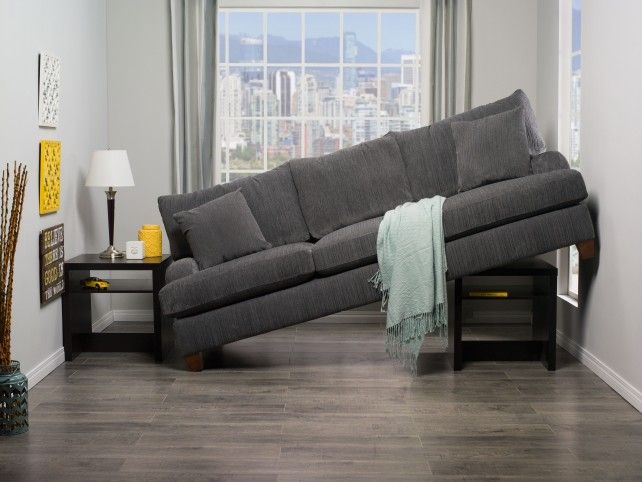
This is the single biggest mistake in small living rooms. People shop for the couch they want, then figure out if it'll fit. The order should be reversed. Know your numbers before you look at a single listing.
For a room under 12×14 feet, you want a sofa that runs no wider than 84 inches — roughly 7 feet. That leaves enough space on both sides for walkways and a little breathing room between the couch and the walls. A sprawling 110-inch sectional in a 12×13 room doesn't leave room for much else. The couch becomes the room.
Sofa Under 84"
Look for a loveseat (60–72") or a compact 2-seat sofa. A small L-shaped sectional can work if the chaise is under 60" deep.
Sofa 84"–100"
Standard 3-seat sofas and compact L-shaped sectionals fit well. A U-shape is still too large for this footprint.
Shopping for a restored or pre-owned sofa gives you a real edge here — you can find exactly the dimensions you need instead of being limited to what's in stock at retail. Need a 78-inch sofa specifically? That's much easier to find secondhand than at a showroom that only carries 84" and 96" options.
Choose Furniture with Visible, Raised Legs
A sofa that sits flush to the floor creates a solid visual wall. The eye hits it and stops. Furniture with exposed legs lets the eye see underneath — and that gap, even if it's only 5 or 6 inches, does something real to how large a room feels.
It's about visual airflow. Raised legs allow light to pass underneath, which breaks up the visual mass of a large piece of furniture. The room feels less blocked. If you're choosing between two sofas that are otherwise equal, pick the one with legs every time for a small room.
Coffee tables on legs do the same thing. A solid block coffee table with no clearance underneath adds more visual weight than its size suggests. A coffee table on legs — or a glass top — keeps the floor visible and the room feeling open.
Go Lighter on Sofa Color
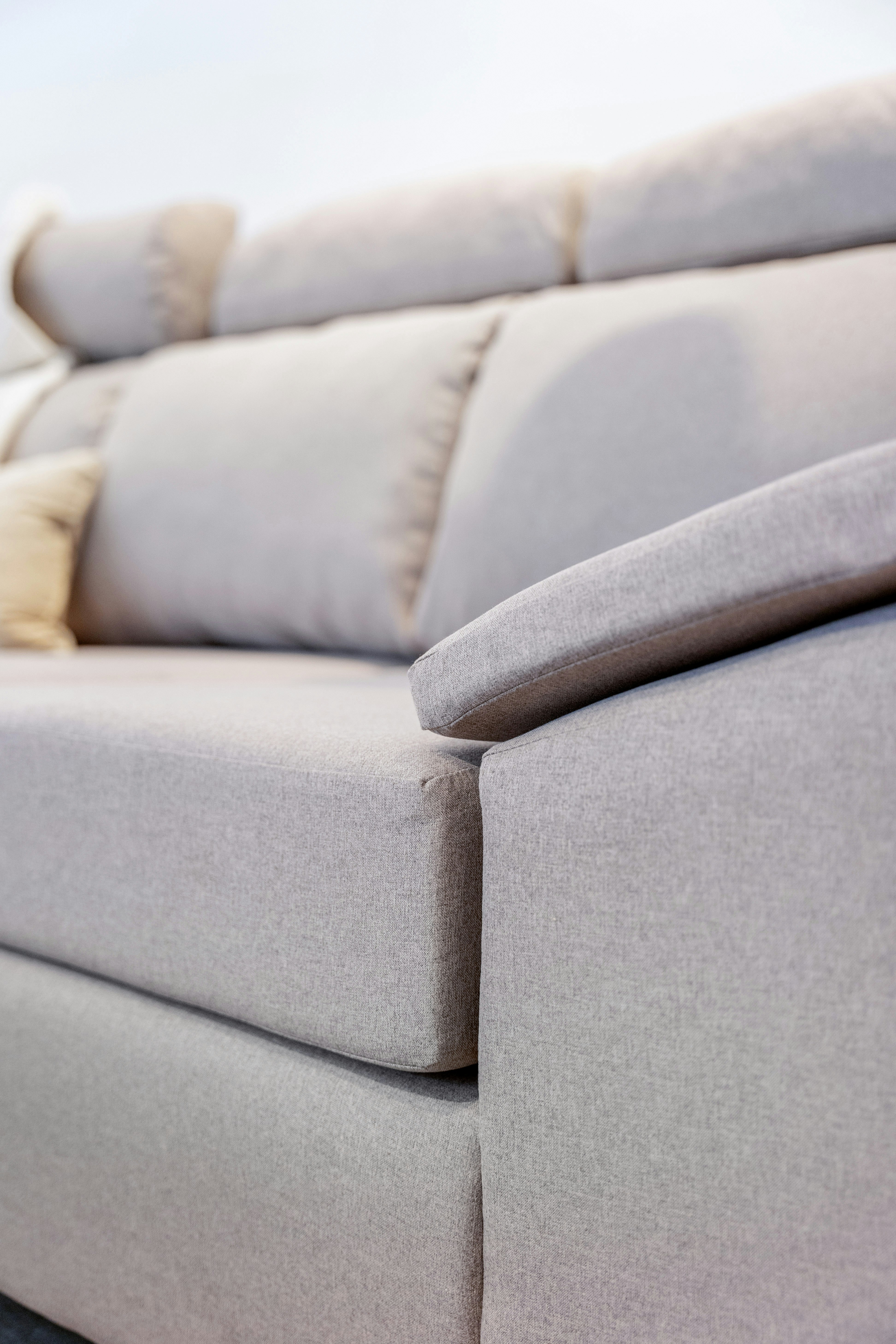
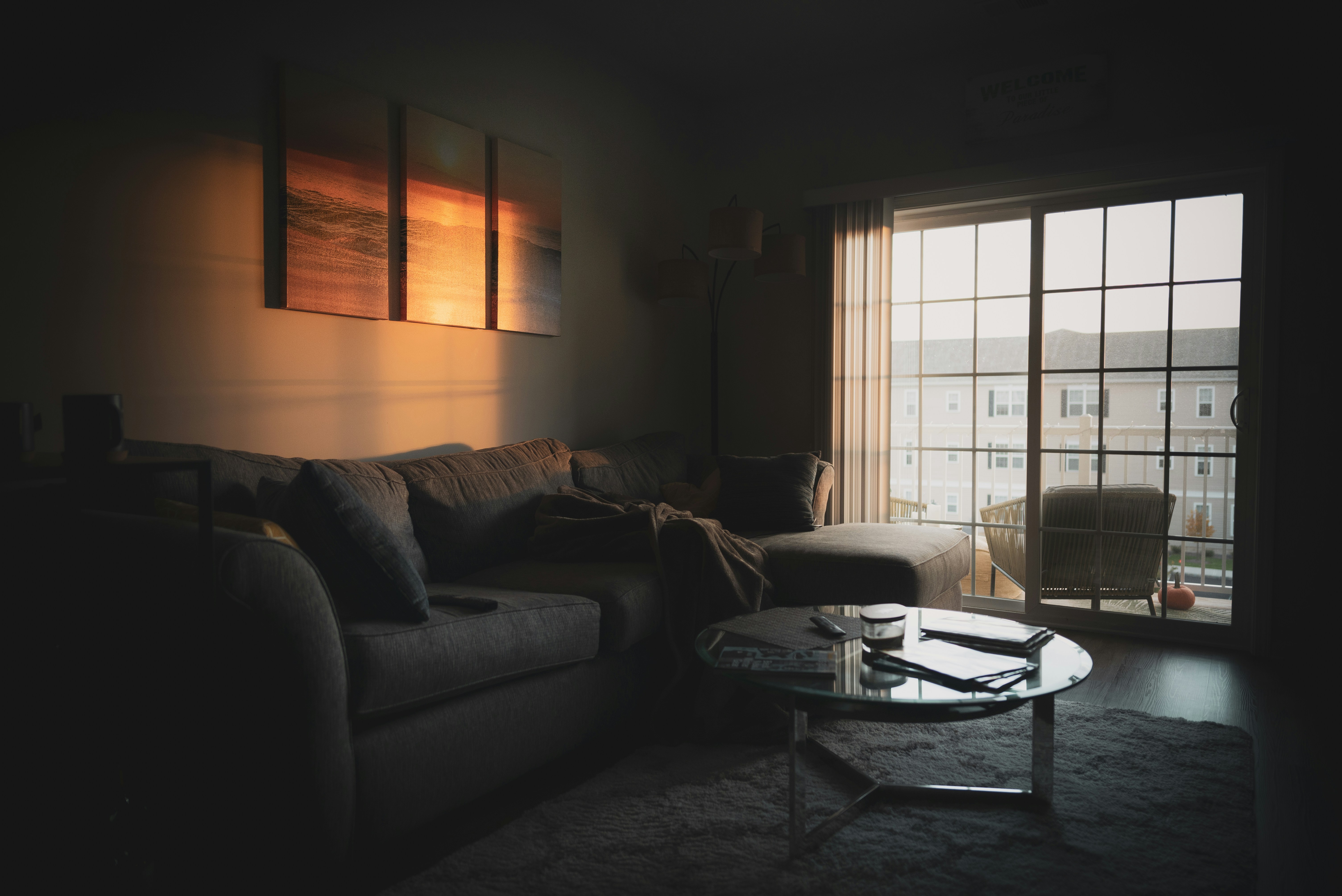
Dark sofas anchor a space. In a large room, that's a feature — it gives a large sectional weight and drama. In a small room, it makes the sofa dominate the whole visual field, and the room contracts around it.
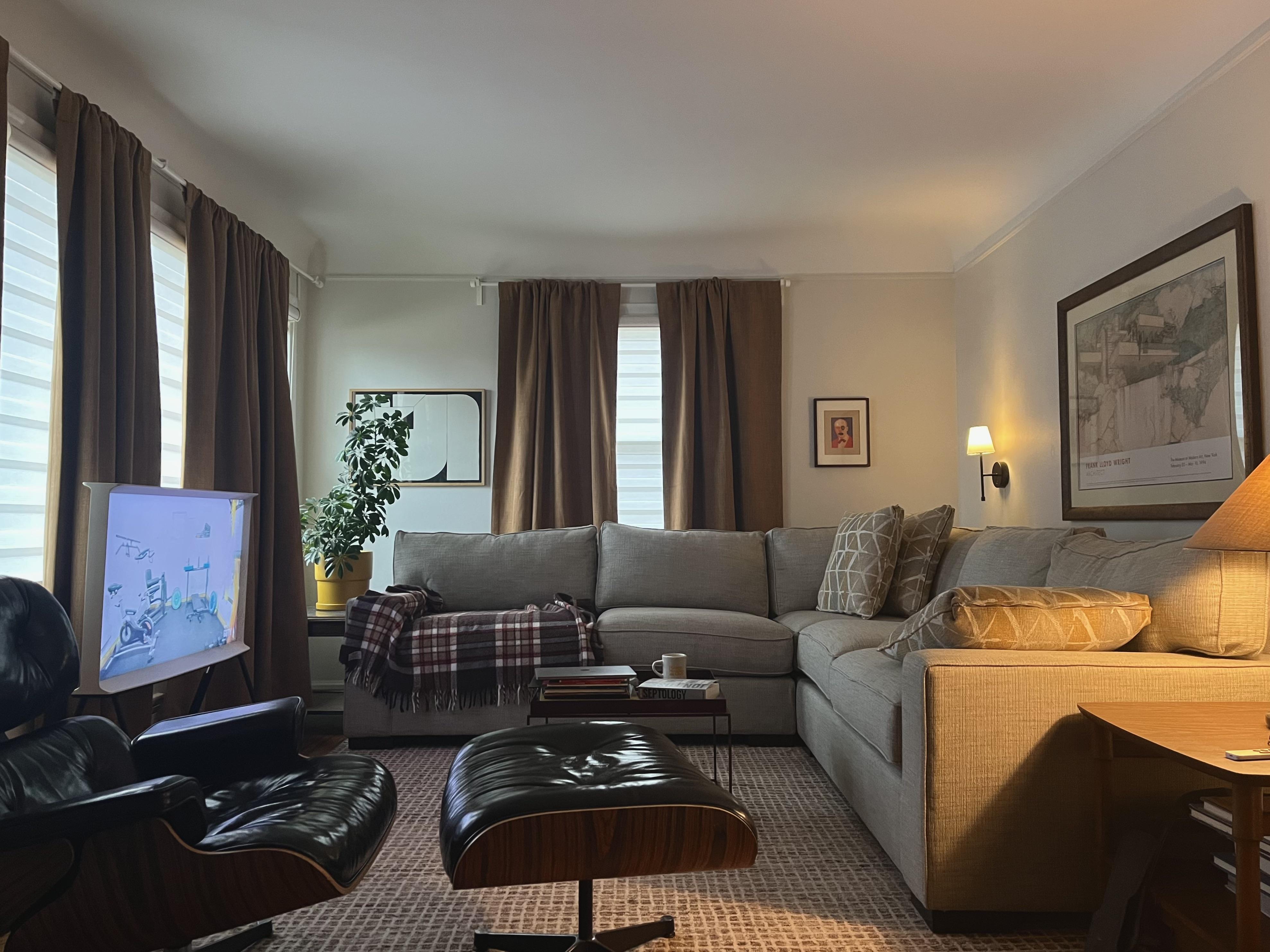
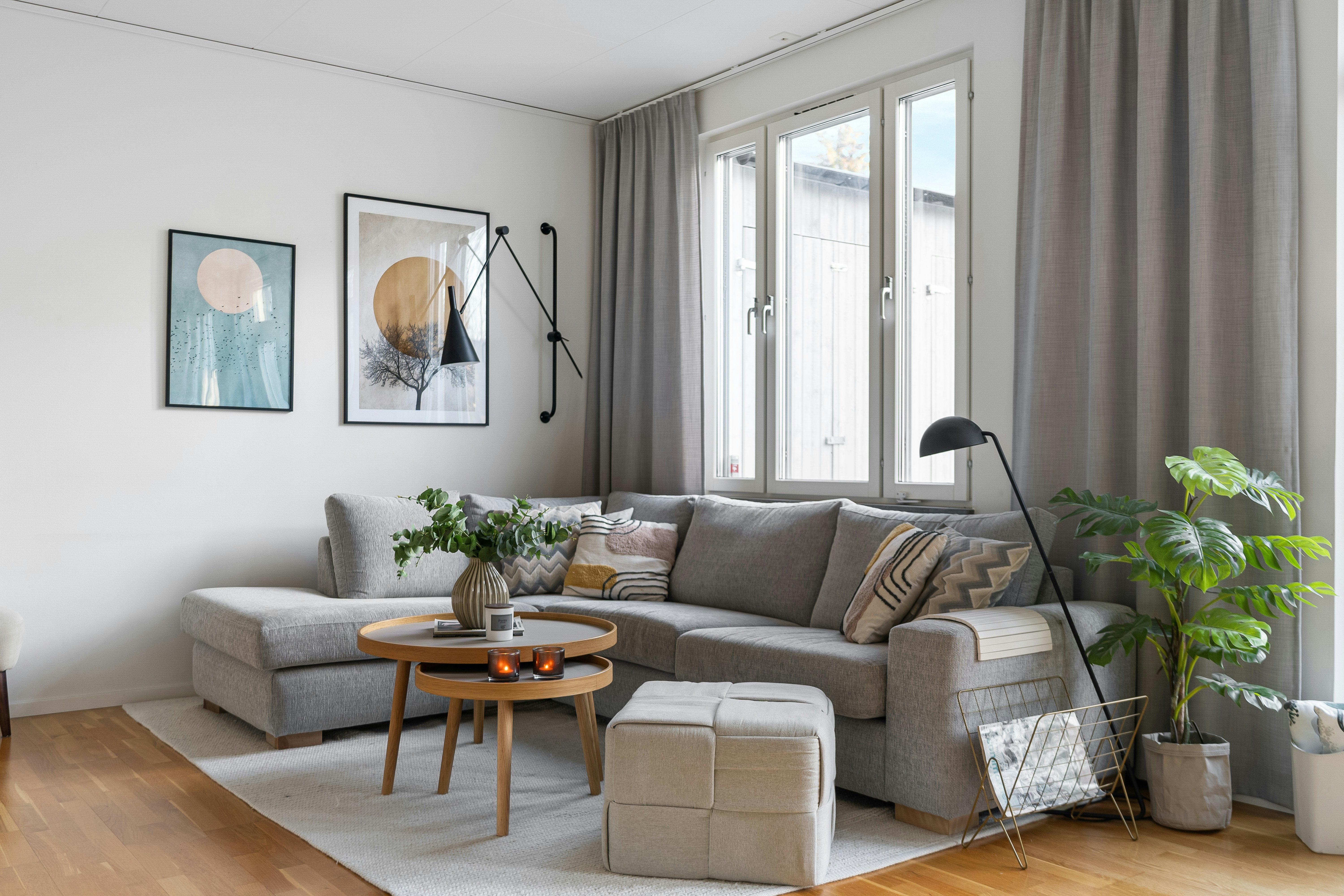
Lighter tones — cream, warm grey, soft taupe, natural linen, beige — reflect light back into the room instead of absorbing it. The effect is immediate and noticeable. You don't need a white sofa. You just need to avoid the darkest end of the spectrum if your room is already tight on natural light.
"The sofa color isn't just an aesthetic choice — it determines how much light the largest surface in the room throws back at you. In a small space, that matters more than you think."
If you love dark furniture and can't let it go, balance it: lighter walls, a light-colored rug, sheer curtains that let in maximum light. The contrast keeps any single element from swallowing the room.
Keep the Center of the Room Open
Float furniture toward the walls and keep the center floor clear. This sounds counterintuitive — "doesn't pushing things to the walls make the center feel empty?" No. Empty center reads as open. Furniture cutting across the middle of a small room is what actually makes it feel tight.
Don't push furniture flush against the wall, though. Leave 2–3 inches of gap between the back of the sofa and the wall. Furniture that's pinched against the wall looks crammed in, which makes a small room feel even more constrained. The gap creates a visual margin that makes the placement look intentional rather than squeezed.
Maintain at least 30–36 inches of clear walkway through any path people actually use. If your sofa placement forces someone to squeeze past, rearrange before you consider it final. Comfortable traffic flow is a major part of what makes a room feel spacious versus cramped.
Use Area Rugs Strategically — Or Skip Them
An area rug that's too small makes a room feel more fragmented and actually smaller. It's one of the most common and most reversible mistakes in small living rooms.
The rule: at minimum, the front two legs of every piece of furniture in the seating area should sit on the rug. Ideally all four legs of every piece. The rug visually ties the furniture grouping together into one coherent zone — and a unified zone reads as larger than the same furniture floating separately on bare floor.
If you can't find a rug large enough to follow this rule, go without one entirely. A consistent floor surface with no rug reads as larger than a small rug that stops short of the furniture it's supposed to anchor. Bare floor is neutral. A rug that's too small actively fragments the space.
In a 12×14 room, look for a rug at least 8×10 feet. In a 10×12 room, a 6×9 rug is the minimum — and even that will require careful placement. Go up a size if you can.
Edit the Furniture — One Great Piece Wins Every Time
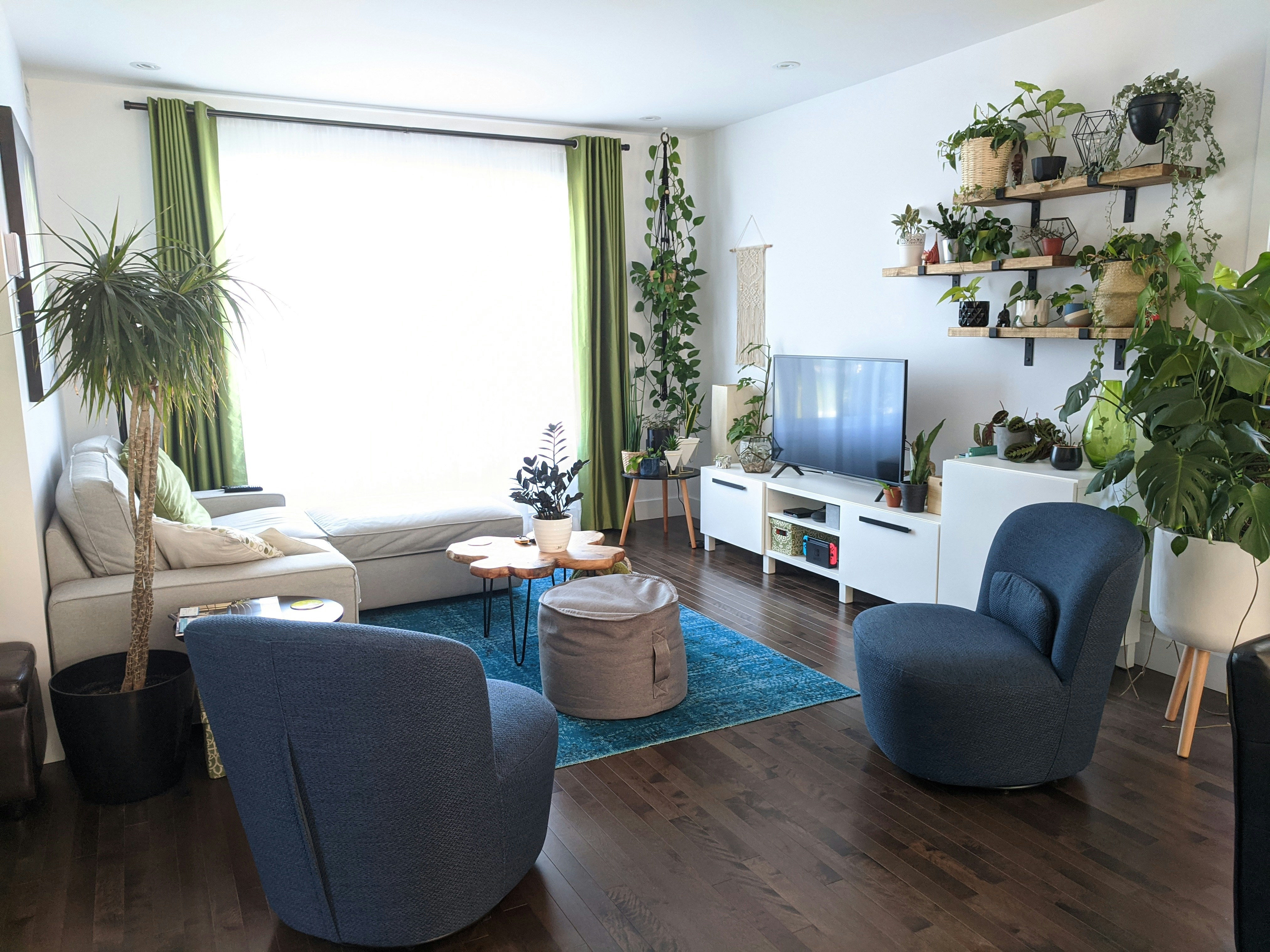
Every piece of furniture in a small room costs you perceived space. A sofa, two armchairs, a loveseat, and a coffee table in a 12×14 room doesn't create a cozy layered look — it creates a storage unit problem. Something has to go.
The edit itself makes the room look intentional. One sofa and a coffee table in the right scale, positioned correctly, looks like a decision. The same room with everything crammed in looks like you couldn't make one.
This is where buying secondhand is actually the right call. If you start with less and decide later you have room for an accent chair, you can add one without breaking the bank. You're not committed to a sofa-and-loveseat set just because that's what was on the showroom floor.
Use Height and Light to Open the Room Up
Vertical space is almost always underused in small rooms. When everything is at the same height — sofa, coffee table, TV stand — the room feels flat. Draw the eye up and the ceiling feels higher, which makes the walls feel farther apart.
- Hang curtains near the ceiling, not the window frame. Floor-to-ceiling curtains hung 6–8 inches below the ceiling make windows look dramatically taller — and the room with them.
- Put a large mirror opposite a window. This doubles the perceived depth of the room and reflects natural light back in. A well-placed mirror is the closest thing there is to a free extra window.
- Wall-mount the TV. A TV stand or entertainment unit takes up floor space and creates a visual break at ankle height. Wall-mounting the TV opens up 18–24 inches of floor and draws the eye up.
- Leave some wall space empty. Gallery walls can work, but in a small room, blank wall space reads as breathing room. More isn't always more.
If you can only do one thing from this list: hang your curtains higher. It costs almost nothing, takes 30 minutes, and the visual impact on how tall and spacious a room feels is larger than almost any other single change.
Find the Right Size Sofa for Your Room
Shopping pre-owned means you're not stuck with whatever size happens to be in stock. Tell us your room dimensions and we'll help you find something that actually fits.
Frequently Asked Questions
-
For rooms under 12×14 feet, aim for a sofa no wider than 84 inches (7 feet). This leaves room for walkways on both sides and a reasonable gap from the walls. Measure your room first, subtract at least 36 inches for walkway clearance, and that gives you your maximum sofa width before you look at a single listing.
-
Yes — a compact L-shaped sectional can work well in a room as small as 10×12 feet, as long as the main sofa section is 84" or less and the chaise is under 60" deep. U-shapes need at least 12×14 feet minimum and are better suited to 14×16 or larger. The key is measuring your couch zone before you shop, not after.
-
Yes — meaningfully so. Dark colors absorb light, which visually weighs down the furniture and makes it dominate more of the room. Lighter tones reflect it, which creates a sense of openness. In a small living room, a sofa in cream, warm grey, or taupe will make the space feel noticeably more open than the same sofa in charcoal or dark brown.
-
In a small room, push furniture toward the walls — but not flush against them. Leave 2–3 inches of gap so it doesn't look crammed in, but keep the center of the room clear. A clear center reads as open and intentional. Furniture floating in the middle of a small room cuts off the floor space and makes it feel tighter, not cozier.
-
For a 12×14 room, a minimum 8×10 rug. For a 10×12 room, a 6×9 is the smallest you should go — and bigger is better. The front two legs of every piece of furniture should sit on the rug at minimum. A rug that's too small — where the furniture hovers over empty floor around it — actually makes the room feel more fragmented and smaller than no rug at all.