A dark sectional is a statement piece. Done right, it anchors the room and makes everything else look more intentional. Done wrong — dark sofa, dark walls, dark rug, cold overhead light — it turns a living room into something that feels heavy and closed off.
The difference isn't the sofa. It's everything built around it. Here's how to get that right.
- Contrast is the foundation — a dark sofa needs light walls, a light rug, or a light floor to breathe and read as intentional
- Warm-toned pillows (rust, cream, camel, terracotta, warm gold) work better against dark fabric than cool tones
- Lighting temperature matters more than brightness — 2700–3000K bulbs make dark furniture feel cozy; cool white makes it look corporate
- A light coffee table (natural wood, marble, glass) creates the contrast a dark sofa needs at eye level
- Dark sofas hide minor wear well — making them one of the smartest choices in pre-owned furniture
Build Contrast from the Walls Out
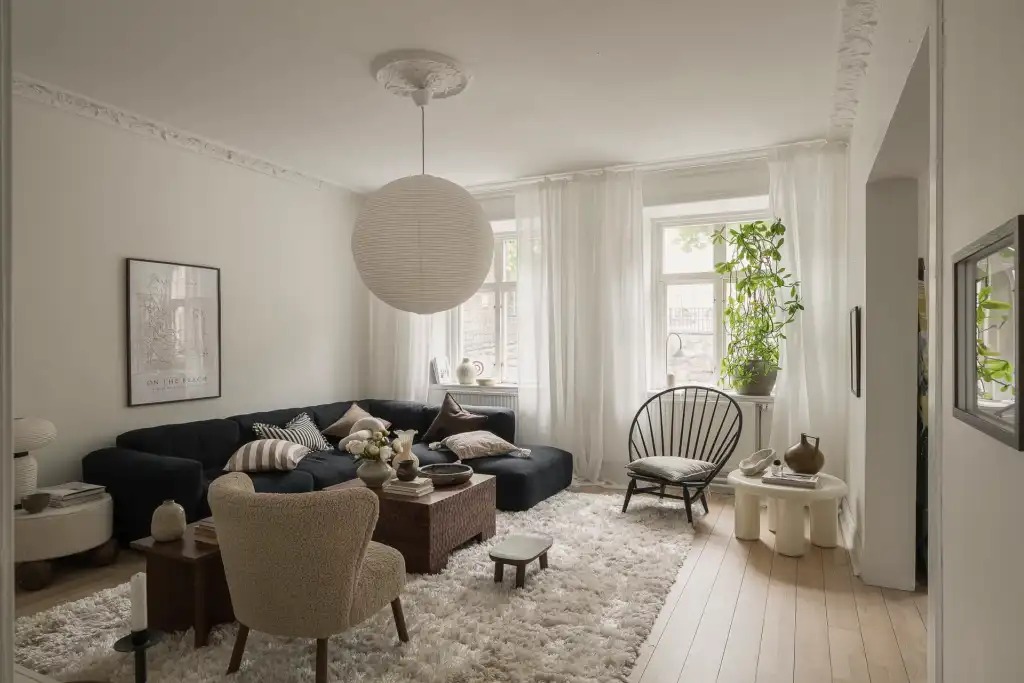
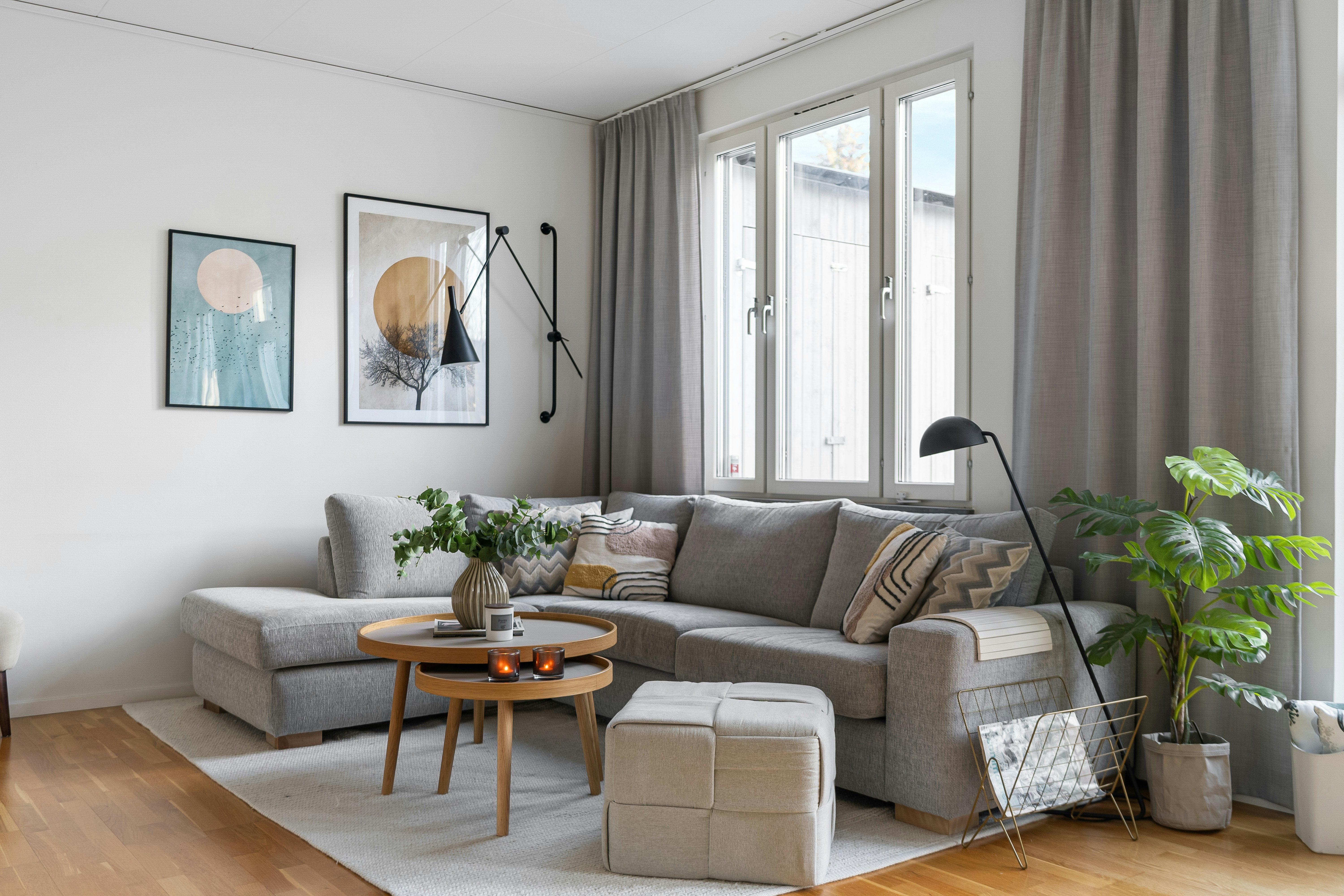
Contrast is the single most important variable when styling a dark sofa. A dark charcoal sectional against a warm white wall reads as a bold design decision. The same sofa against a dark grey wall just disappears into it — or worse, makes the room feel dim and heavy.
Warm whites and off-whites are the safest and most effective wall colors for dark furniture. Think Swiss Coffee, Edgecomb Gray, or Simply White — tones with a slight warmth rather than the stark, cold blue-white of a fresh coat of builder-grade paint. Creamy warm tones make the furniture pop without creating jarring contrast.
If you want to use a darker wall color, limit it to one accent wall — the wall the sofa faces, not the one it sits against. A dark sofa backed against a dark accent wall compounds the heaviness. A dark sofa looking across the room at a warm-toned accent wall creates depth instead.
If your walls are already mid-toned and can't easily be changed, a lighter rug or natural wood floor provides the same contrast from below. You need light somewhere in the room — walls, floor, or ceiling. Pick at least one.
Layer Warm-Toned Throw Pillows
Pillows are the fastest, cheapest way to bridge a dark sofa to the rest of the room. They introduce color, texture, and personality — and they're the one element you can swap seasonally without touching anything else.
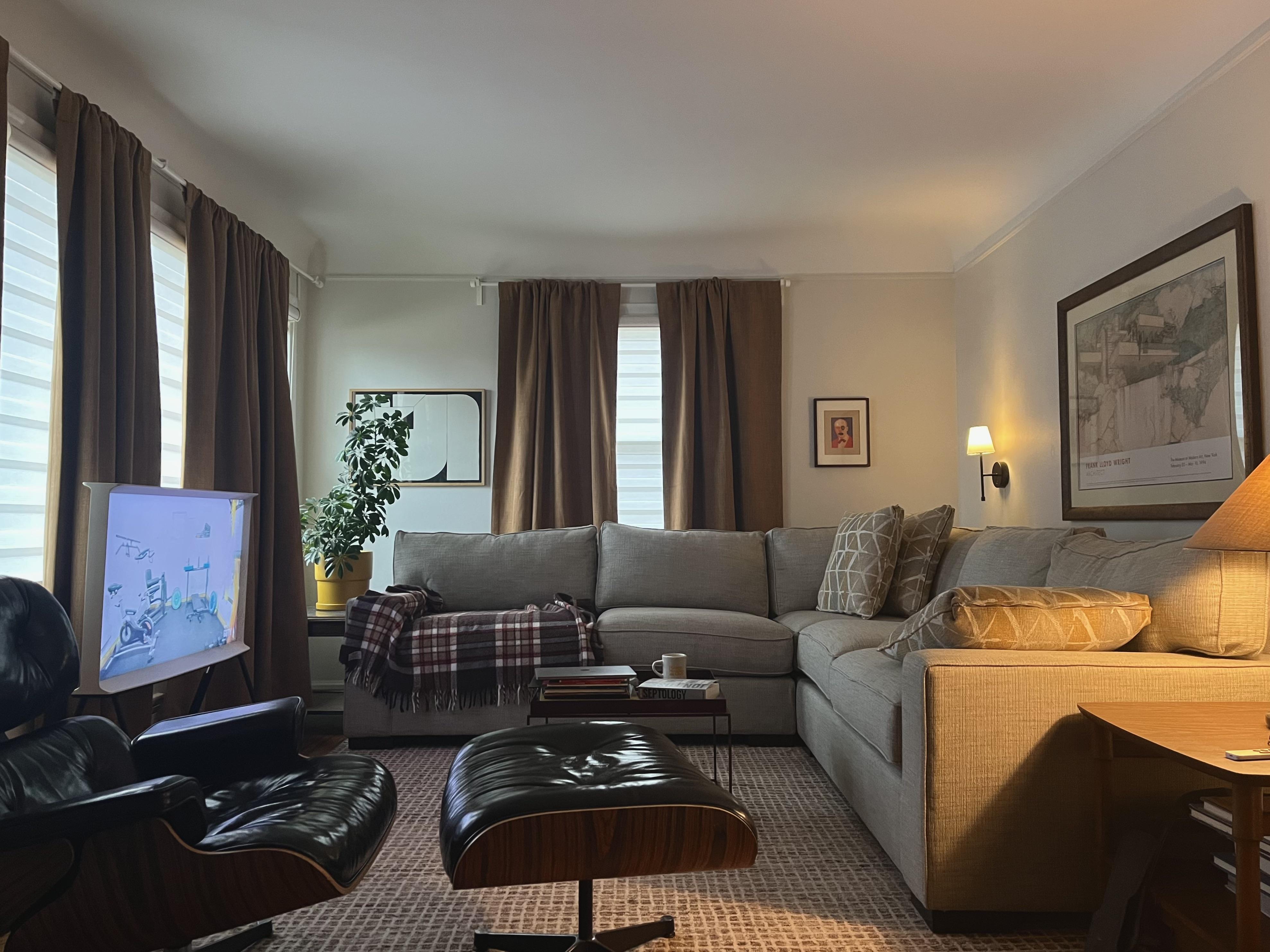
For dark sofas, warm tones consistently work better than cool ones. Charcoal and navy can easily lean cold or corporate. Warm colors — rust, terracotta, camel, mustard, warm gold, cream — pull the sofa back into the comfortable, inviting territory. You don't need all of them at once. Two or three tones that relate to each other is cleaner than five that compete.
"Texture matters as much as color. A velvet pillow, a woven throw, and a linen cushion on the same sofa create visual richness that no amount of same-fabric pillows can match."
A good starting formula for a dark sofa: one or two neutral pillows (cream, warm beige), one or two in a warm accent color (rust, gold, terracotta), and a chunky knit or woven throw draped over one arm. That's it. Resist the urge to add more — a dark sofa with eight pillows looks cluttered, not layered.
Use these as a starting point based on your sofa's undertone. Charcoal and dark brown lean warm, so they pair easily with almost any warm tone. Dark navy leans cool, so lean warmer with your accents to counterbalance — camel, brass, warm white, and botanicals all work well.
Choose a Rug That's Lighter Than the Sofa
A dark sofa on a dark rug creates a heavy central zone that the whole room sinks into. It's one of the most common mistakes. The fix is simple: choose a rug that's at least two to three shades lighter than the sofa.
This doesn't mean the rug has to be white or even close to it. A medium-tone natural jute, a warm beige wool flat weave, a faded Persian in warm reds and creams — all of these create the contrast you need without making the room feel cold or sterile. The contrast just has to exist.
Texture helps too. A rug with some texture or pattern breaks up the visual mass of a large dark sofa in a way that a solid dark rug never can. Even a subtle tone-on-tone pattern in a lighter neutral goes a long way.
The rug size rule still applies with dark furniture: front two legs of every piece on the rug at minimum. A small rug under a big dark sofa makes both look wrong. Size it properly and the contrast between the sofa and the rug works in your favor instead of against it.
Warm Up the Lighting — It Changes Everything
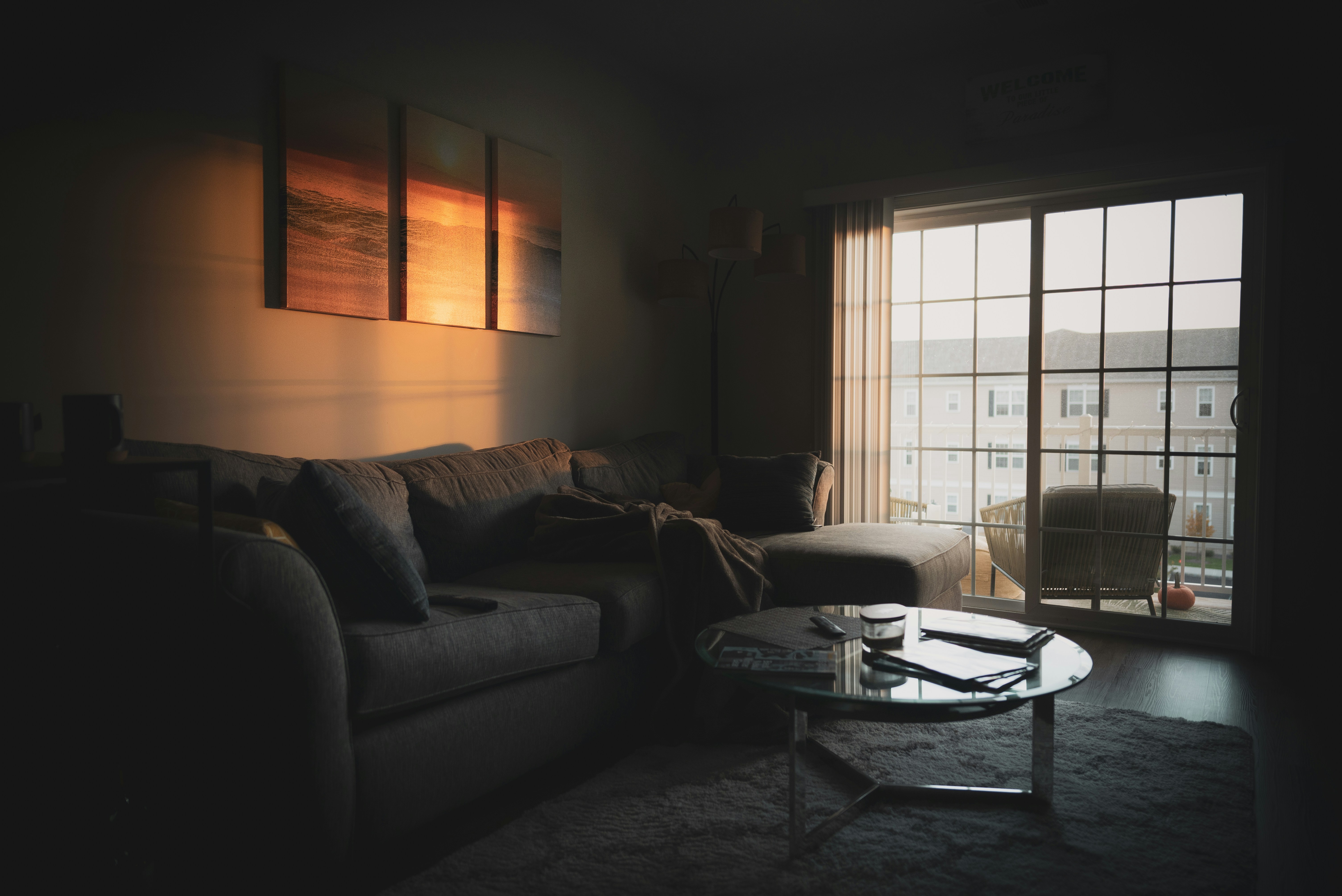
This is the one people get wrong most often. Cold overhead light — the kind that comes with most standard ceiling fixtures, around 4000–5000K — makes dark furniture look severe, flat, and almost clinical. It's the difference between a moody, inviting room and a space that feels like a waiting room.
Makes dark furniture look flat and corporate. Harsh shadows. The sofa reads as heavy and uninviting.
Makes dark furniture feel intentional and cozy. Softer shadows. The room invites you in instead of pushing you back.
Switch your bulbs to 2700–3000K throughout the living room. Then add at least one floor lamp or table lamp near the sofa. Layered lighting — overhead plus a lower source closer to eye level — creates warmth and depth. It also makes the sofa look better by eliminating the harsh downward shadows that make dark upholstery look flat and textureless.
Place a floor lamp or table lamp at or slightly above sofa height, beside or just behind the sofa. This angles light down and across the sofa surface, which brings out the texture in the fabric and makes the whole piece look richer. A lamp placed too far away or too low doesn't do the same job.
Pair with a Light Coffee Table
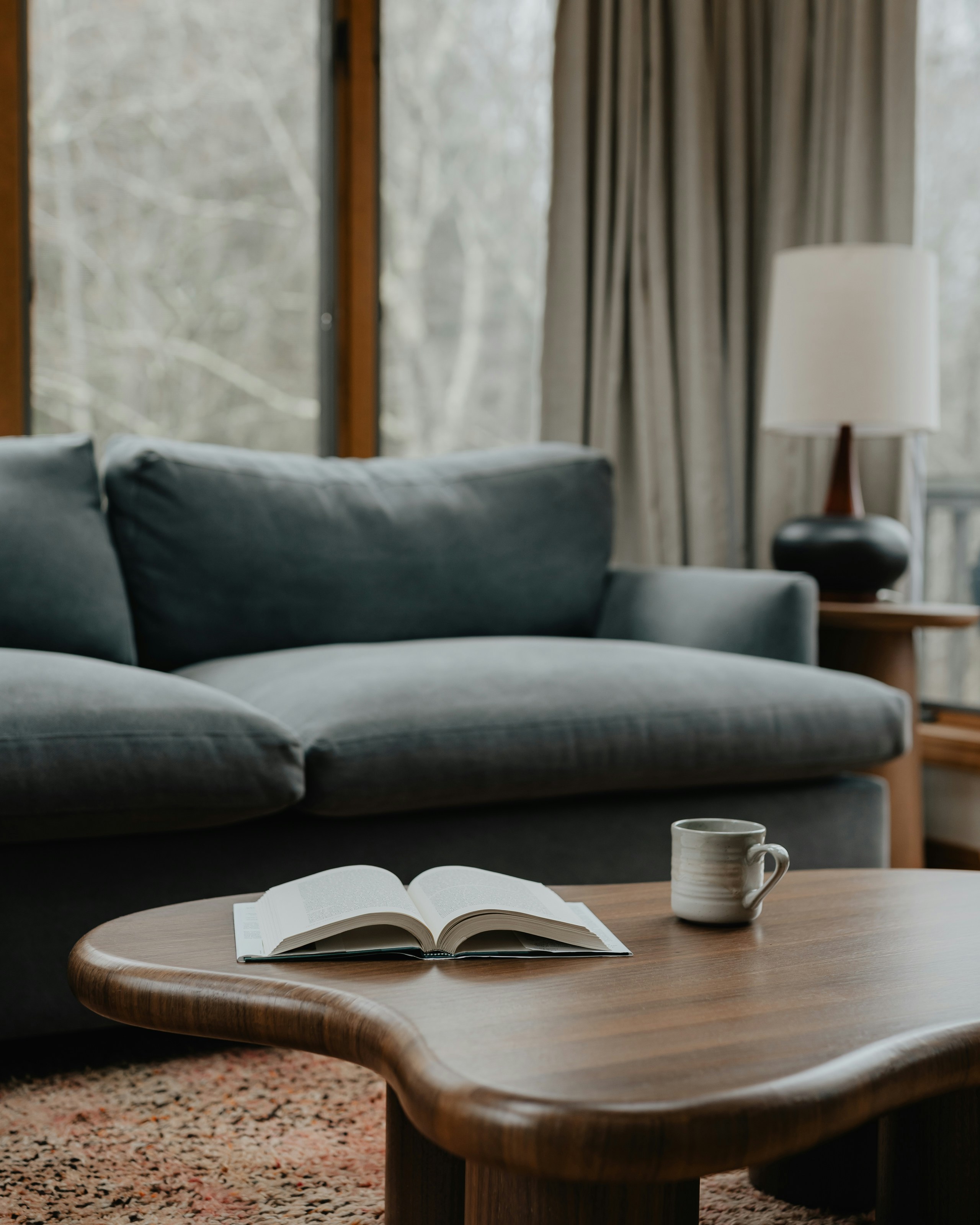
The coffee table sits dead center in front of the sofa. It's the first thing the eye lands on after the sofa itself. A dark coffee table in front of a dark sofa creates a heavy central mass at exactly the point where the room should feel most open.
Go lighter. Natural light wood — oak, maple, bamboo, white oak — is the most versatile option. It provides warm contrast without being stark. A marble or stone top works beautifully with dark charcoal or navy. Glass tops are great for smaller rooms because they don't add visual weight at all — the dark sofa reads against the lighter floor behind the glass rather than against another dark surface.
Black metal legs on a light wood or glass top are the exception — the lightness of the top still creates the contrast you need, and the dark metal legs tie back to the sofa in a way that feels intentional.
Bring In Plants and Natural Materials
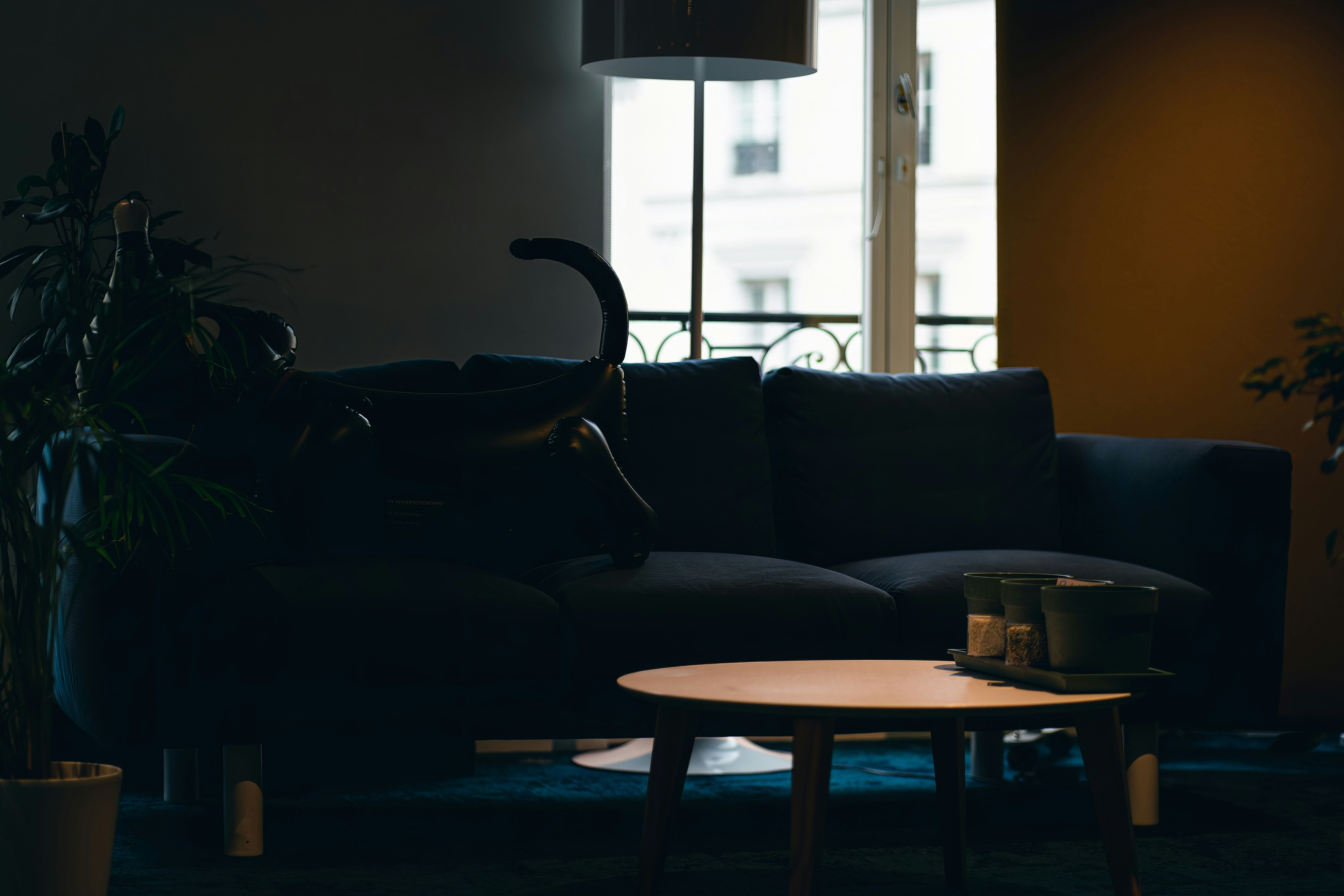
Natural materials are the organic counterweight to dark upholstery. Plants, jute, rattan, linen, raw wood, woven baskets — they all share a softness and warmth that works well against the density of a dark sofa.
A tall floor plant beside the sofa breaks up the vertical plane of the wall behind it. A rattan tray on the coffee table adds texture at the center of the room. A linen throw over one arm softens the sofa's outline. None of these are expensive. All of them contribute to the room feeling assembled and warm rather than just furnished.
Plants specifically do something no other element can: they bring the organic world into a space that could otherwise feel slightly architectural. A dark sofa in a room with no plants can feel like a product placement. The same sofa with a fiddle-leaf fig in the corner and a trailing pothos on a shelf feels like someone lives there and likes it.
Let the Sofa Be the Statement — Edit Everything Else Back
A dark sectional is already doing the heavy lifting visually. It doesn't need competition from dark curtains, dark shelving, a dark accent wall, and dark artwork frames all vying for the same attention at once.
"The mistake isn't having a bold sofa. It's being unable to leave the rest of the room alone once you have one. Everything else should be an understudy, not a co-star."
Once the sofa is placed, look around the room with fresh eyes. How many other strong, dark, or high-contrast elements are you adding? Each one competes with the sofa instead of supporting it. Pare back. Let one or two accents punch through — a statement lamp, a bold piece of art — and let the rest of the room stay relatively quiet.
Lighter curtains that graze the ceiling. Simple, unobtrusive shelving. Artwork in lighter or more neutral tones. A room styled this way makes the dark sectional look like the considered center of a complete design — which is exactly what it should be.
What to Avoid with a Dark Sectional
A few combinations consistently make dark sofas look heavy and mistake-like rather than bold and intentional.
- Dark rug + dark sofa — the two biggest surfaces in the room become one heavy mass. Go lighter on the rug.
- Cool white bulbs (4000K+) — makes dark furniture look corporate and flat. Switch to 2700–3000K warm white.
- Dark sofa against a dark accent wall — the sofa disappears. Contrast requires a lighter backdrop, not a matching one.
- Cool-toned pillows on a warm dark sofa — grey, icy blue, or purple against a dark charcoal or brown sofa looks disconnected. Lean warm with your accents.
- Too many pillows — more than four or five on a dark sofa looks messy, not layered. Restraint reads better here than abundance.
- Dark coffee table + dark sofa — creates a heavy central anchor with no relief. One of these needs to be lighter.
- No plants or softening elements — a dark sofa in a room with only hard and dark elements feels cold and corporate. Add something organic.
Why a Dark Sectional Is One of the Smartest Pre-Owned Choices
Here's something most people don't think about when considering a restored or pre-owned sofa: dark colors hide minor cosmetic wear better than almost any other choice. A small surface scuff that would be visible on a light grey or cream sofa is invisible on charcoal or dark brown. The natural variation in dark fabric also means that minor inconsistencies in wear read as texture rather than damage.
That makes a dark sectional one of the most forgiving options in the pre-owned market — and one of the best ways to get a piece that looks genuinely great without paying full retail. The bold, dramatic look of a dark sofa doesn't cost any more. It just requires being intentional about everything else in the room.
See Our Current Dark Sofas & Sectionals
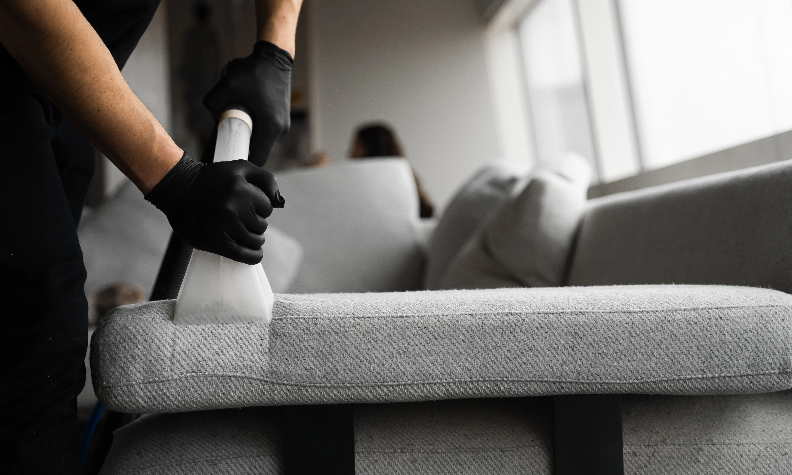
Every piece is professionally deep-cleaned, structurally inspected, and photographed honestly — including the exact shade so you know what you're getting before delivery.
Frequently Asked Questions
-
Warm whites and off-whites work best — something with a warm undertone rather than a cool, stark white. Think Swiss Coffee, Edgecomb Gray, or Simply White. These create clear contrast without making the room feel cold. Avoid cool grey walls with a dark grey sofa — they fight each other for dominance without either winning.
-
Aim for a rug that's at least two to three shades lighter than the sofa. Natural jute, warm beige wool, faded Persian patterns in warm tones, or a cream flatweave all work well. Avoid dark rugs — a dark sofa on a dark rug creates a heavy central anchor with no visual relief. The contrast between sofa and rug is what makes the composition work.
-
Warm tones work better than cool ones. Cream, rust, terracotta, camel, mustard, and warm gold are reliable choices for charcoal or dark brown sofas. For navy sofas, lean warmer: white, camel, warm brass accents, and soft blush all counterbalance the cool blue. Keep it to two to four pillows in two or three tones. Vary the textures — velvet, linen, woven.
-
Yes, with the right approach. Keep the walls light, use a lighter rug, use warm lighting, and keep the coffee table light or glass. In a small room, the contrast rules matter even more because there's less room to compensate. A properly sized compact sectional in charcoal with light surroundings can look great — but it requires more intention than the same sofa in a larger room.
-
It depends entirely on your pet. Light-colored pet hair (white, golden, cream) shows very clearly on dark fabric. Dark pet hair (black, brown, grey) on dark fabric is nearly invisible. If your pet's fur is a similar shade to the sofa, dark is actually the easier choice. If not, look for a tight microfiber weave — it's the most pet-friendly fabric regardless of color and is easier to remove hair from than open-weave fabrics.