It's the question people think but rarely ask out loud: is it actually safe to sit on someone else's old couch? Bed bugs, allergens, pet dander, mystery stains — the concerns are real. But so is the difference between buying from a random Craigslist post versus a piece that's been professionally cleaned, inspected, and restored before it ever reaches your home.
Here's the honest answer, broken down by actual risk — not internet anxiety.
- Bed bugs are a real but avoidable risk — they're detectable on inspection and don't survive professional heat treatment
- Allergens and pet dander are removed by deep vacuuming and enzyme-based cleaning, not surface wiping
- The safety of a used couch depends almost entirely on the cleaning process — not on who previously owned it
- Odor is the most reliable indicator of problems a visual inspection can't catch
- A properly restored piece from a professional reseller is often safer than a "new" couch from an overseas manufacturer with unknown material standards
Bed Bugs: The Real Risk (and How to Actually Spot Them)
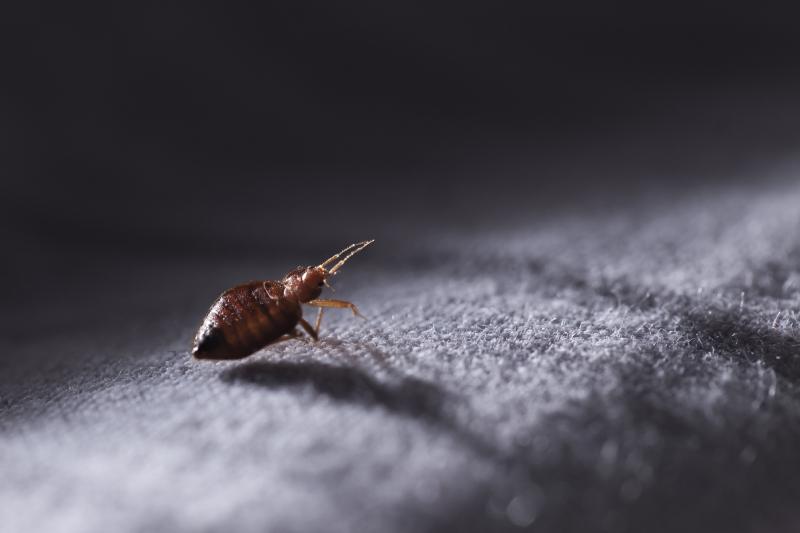
Bed bugs are the fear that stops most people from buying used upholstered furniture. And unlike most internet fears, this one is grounded in something real. Bed bugs do travel on furniture, they're hard to see without knowing what you're looking for, and an infestation in your home is a significant problem to fix.
That said, the risk is specific and manageable — not general and unavoidable. Here's what matters:
- Bed bugs leave physical evidence — dark rust-colored specks on seams, shed exoskeletons, and tiny white eggs clustered in tight folds. They don't hide invisibly.
- They can't survive heat treatment — professional steam cleaning at temperatures above 120°F kills both live bugs and eggs. Any piece that's been professionally steam cleaned is effectively treated.
- They won't travel in a sealed truck alone — bed bugs travel on hosts or in infested material. A cleaned and wrapped couch in a delivery vehicle isn't a risk environment.
The actual risk is buying from someone who hasn't cleaned the piece and doesn't know its history. That's the variable to control — not the category of "used furniture" in general.
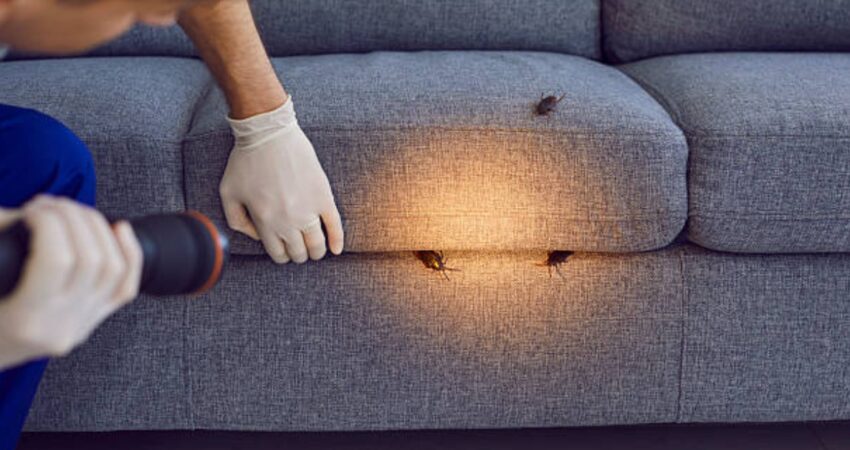
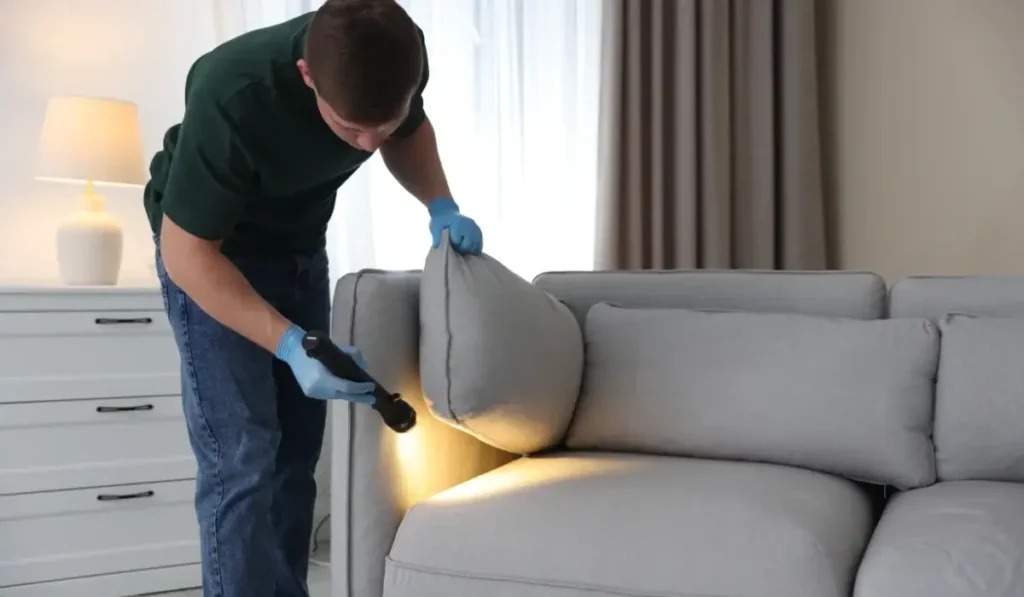
Before sitting on any pre-owned upholstered piece, check the seams, piping, and back of cushion covers with a flashlight. Look for dark specks (about the size of a poppy seed), shed casings, or tiny white clustered eggs. Check underneath the sofa frame too — the dust cover and leg joints are common hideouts. If you see any of these signs, don't bring the piece inside.
What About Allergens, Pet Dander, and Bacteria?
Pet dander, dust mites, and pollen are less dramatic than bed bugs but more universally present in used upholstery. The good news is that they respond directly to cleaning in a way that bed bugs require more specialized treatment to address.
What matters here is the depth of cleaning. Vacuuming the surface of a sofa removes surface debris but leaves allergens embedded in the upholstery fibers. Professional-grade extraction — the kind that pulls moisture and debris out of the fabric from below the surface — is what actually removes dander and dust-mite matter. Enzyme-based cleaners break down the organic proteins in pet dander at a molecular level, which is something no surface spray achieves.
"A used couch that's been professionally extracted and enzyme-cleaned will have lower allergen levels than a 'new' couch that's been sitting in a showroom for six months collecting dust and foot traffic from hundreds of customers."
Bacteria on upholstered furniture is also a function of cleaning thoroughness, not age. Most common bacteria on fabric surfaces are killed by enzyme cleaners and steam. The exception is anything involving sewage, standing water, or flood damage — which should be visible and odor-evident before you'd ever get close enough to be concerned.
What "Deep Cleaned" Actually Means vs. What Most Sellers Mean
One of the most misleading things in the used furniture market is when a seller says "cleaned" or "freshened up" in a listing. Most of the time, this means wiped down with a damp cloth and sprayed with Febreze. That removes visible surface dirt and masks odor temporarily. It does nothing for allergens, bacteria, or bed bug eggs embedded in the fabric.
Genuine deep cleaning means:
- Thorough vacuuming of all surfaces including undersides and seam interiors with a HEPA-filtered vacuum — not a household upright
- Hot water extraction with upholstery-specific attachments that work under the surface fibers
- Enzyme treatment on any area with evidence of biological contamination (pet accidents, food spills, body oils)
- Steam treatment at or above 120°F on seams, piping, and crevices
- Complete drying before any cover or packaging is applied — damp fabric creates mold
If a seller can't describe the cleaning process in specific terms, or if the piece smells like it was sprayed with something, that's the real red flag — not that it's pre-owned.
What a Properly Restored Couch Goes Through at Finity Furniture
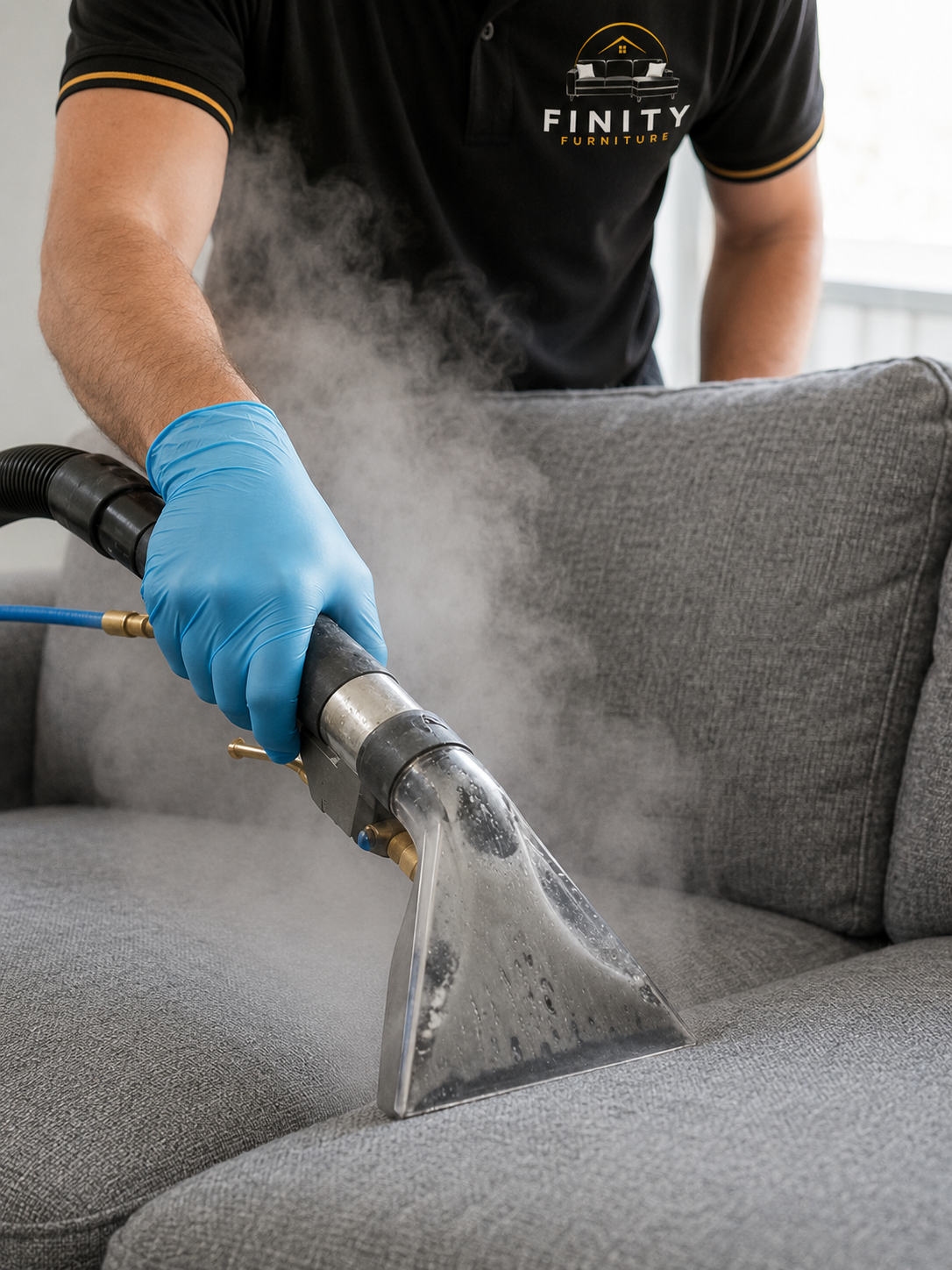
At Finity Furniture, the inspection and cleaning process happens before a piece is photographed and listed — not after you buy it. That means what you see in the photos is the actual state of the piece after restoration, not its state when it was picked up.
Every piece we bring in goes through:
- A visual inspection for structural integrity, staining, and any evidence of infestation
- Full HEPA vacuum of all surfaces, seams, undersides, and cushion interiors
- Professional hot water extraction on all upholstered surfaces
- Enzyme treatment on any affected areas
- Steam treatment on seams, piping, and crevices
Pieces that don't meet our standards after restoration aren't listed. They're passed on. That's a higher bar than most people apply to furniture from a retail showroom, where the same floor model has been sat on by hundreds of customers with no deep cleaning ever performed.
Red Flags to Look For — and Green Flags That Tell You It's Safe
Not every used couch listing is equal. Here's how to read a listing and an in-person inspection.
- Seller can't describe the cleaning process
- Musty, smoky, or strong urine smell
- Dark specks or residue in seams
- Photos in dim lighting or from odd angles
- Seller doesn't know where the piece came from
- Stains the seller can't explain
- Fabric feels slightly damp or tacky
- Seller describes specific cleaning steps
- No odor, or very faint clean scent
- Clean seams and piping on inspection
- Multiple well-lit photos from all angles
- Seller knows the piece's history
- No unexplained staining or discoloration
- Fabric feels dry and resilient
Questions to Ask Any Used Furniture Seller Before You Commit
Whether you're buying from a private seller or a resale company, these questions separate a safe purchase from a gamble.
- How was this piece cleaned — and when? Can you describe the process?
- Did any pets live in the home where this was used?
- Was the piece ever exposed to smoke — cigarette, fireplace, or wildfire?
- Is there any history of water damage, flooding, or high humidity storage?
- Are all original cushions included, and have they been replaced or restuffed?
- Was this piece from a home, office, or rental property?
- Can I see it in person before committing? (For private sales, always say yes.)
A seller who can answer these questions clearly and specifically is a good sign. Evasiveness, "I don't know," or pressure to decide quickly without seeing it are all reasons to keep looking.
The Bottom Line: Used Can Be Safer Than You Think
The safety of a used couch comes down almost entirely to how it was cleaned — not how old it is or who owned it before you. A five-year-old sofa that's been professionally extracted, enzyme-treated, and steam-cleaned is safer to bring into your home than a two-year-old sofa from a private seller who wipe-cleaned it the day before listing.
The fear of used furniture is mostly a fear of the unknown. The solution isn't to avoid pre-owned altogether — it's to know what to ask, what to look for, and who you're buying from. When those variables are controlled, used furniture is a smart, practical choice.
And for what it's worth: that "new" retail couch sat on a showroom floor for months before you bought it. It's been sat on by hundreds of people. It's never been deep cleaned. The word "new" just makes people feel like they don't need to think about it.
Every Piece Cleaned Before It's Listed
We photograph honestly, inspect thoroughly, and deep clean every piece before it goes on our site — so you know exactly what you're getting.
Frequently Asked Questions
-
Yes — bed bugs can travel on upholstered furniture. But they leave visible evidence on inspection (dark specks in seams, shed exoskeletons, tiny eggs), and they don't survive professional steam cleaning at 120°F+. A piece that's been properly inspected and steam-treated poses no meaningful risk. The danger is buying from someone who hasn't done either.
-
Yes, if properly cleaned. Pet dander and hair are removed by professional hot water extraction and enzyme cleaning — processes that go deep into the fabric fibers, not just the surface. If the piece has been through that level of cleaning and smells neutral, pet history is not a problem. If it still smells like pets, it hasn't been properly treated.
-
Ask the seller to describe the cleaning process in specific terms. A genuine deep clean involves hot water extraction, enzyme treatment, and complete drying. If they say "I cleaned it" or "I sprayed it down," that's a wipe-down. Also: if the couch smells like a heavy deodorizer spray, something was being masked — a properly cleaned couch smells like nothing.
-
Musty or damp smell indicates moisture inside the cushions or frame — possible mold that's very hard to fully eliminate. Cigarette smoke penetrates foam deeply and rarely comes out entirely. Any strong, unexplained chemical smell may be masking one of the above. Mild pet odor can sometimes be treated, but if it's noticeable on first sniff, it hasn't been properly cleaned. Walk away from musty and smoke.
-
Yes, if it's been professionally cleaned and inspected. A bigger concern with new furniture for infants is off-gassing from flame retardants and manufacturing chemicals — a hazard that diminishes significantly with age. An older, thoroughly cleaned sofa with no odor may actually have lower chemical exposure than a brand-new piece. Apply the same cleaning standards you'd apply to any household item a child will be close to.